Mounting a 75-inch TV requires a robust wall mount designed for its substantial weight, typically ranging from 60 to over 100 pounds. The correct mount ensures safety, optimizes viewing angles, and enhances room aesthetics by freeing up floor space. Choosing between fixed, tilting, or full-motion mounts depends on your specific viewing needs and room layout, with full-motion offering the most versatility for dynamic viewing environments.
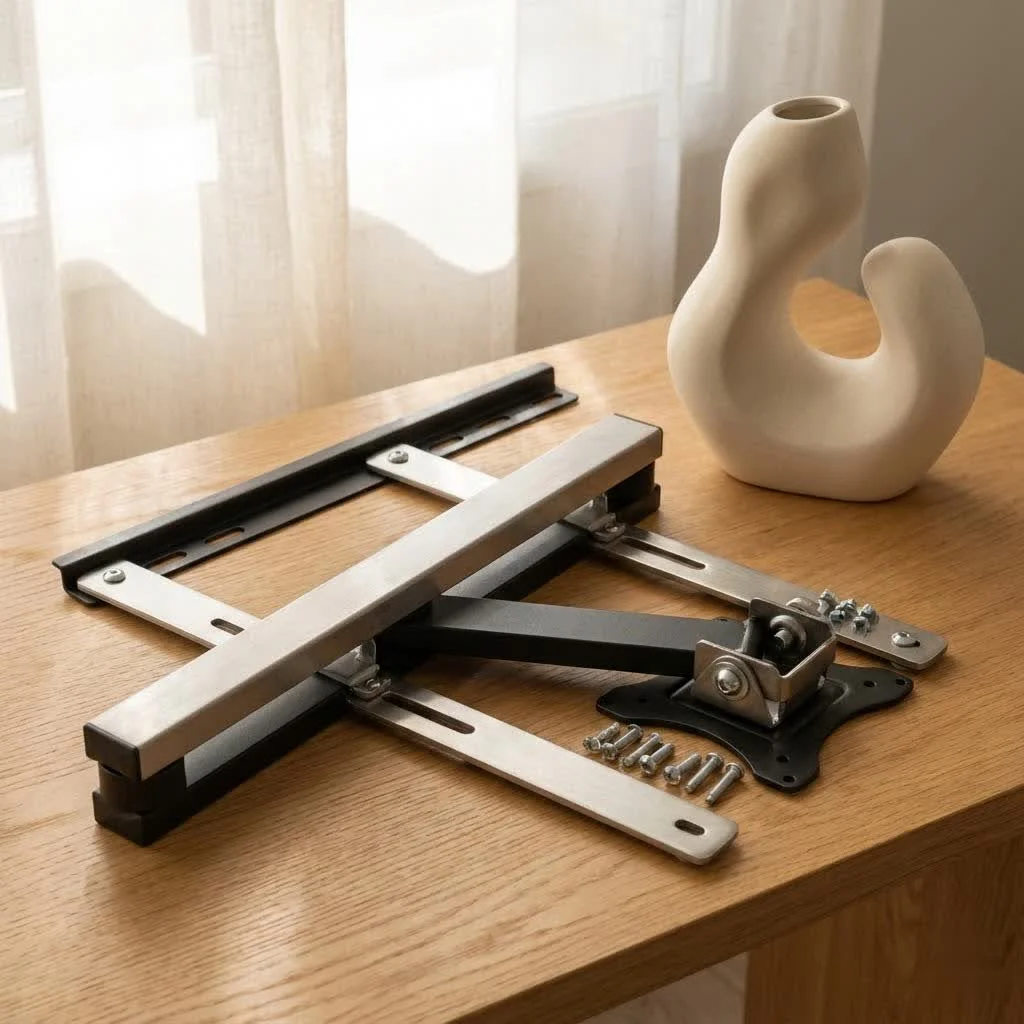
Why a 75-Inch TV Demands the Right Wall Mount
A 75-inch TV isn’t just bigger; it’s substantially heavier and often requires a more robust mounting solution than its smaller counterparts. Typically weighing anywhere from 60 to over 100 pounds, a 75-inch TV wall mount needs to be engineered for serious support. The sheer size of these displays means that even a slight misalignment during installation can be visually jarring, and a failure to secure it properly could lead to catastrophic damage to your TV and, more importantly, put your household at risk. Beyond safety, a precisely chosen and installed 75-inch TV wall mount enhances your décor, clears clutter, and optimizes your viewing angles, allowing you to immerse yourself fully in your favorite content.
Decoding 75-Inch TV Wall Mount Types
Navigating the world of TV wall mounts can feel overwhelming, but for a 75-inch screen, understanding the main types is crucial for making the best choice for your space and viewing habits.
Fixed Mounts: The Streamlined Choice
Fixed wall mounts are the simplest and most affordable option. They hold your 75-inch TV close to the wall, creating a clean, picture-frame-like aesthetic. They’re perfect if your seating arrangement is static and you don’t anticipate needing to adjust the viewing angle. The main benefit here is the low profile, making your large TV look like a natural extension of your wall. However, their rigidity means no tilt or swivel, which can limit glare reduction or viewing flexibility.
Tilting Mounts: Combating Glare with Ease
A step up from fixed mounts, tilting mounts offer a vertical adjustment feature, typically allowing you to tilt your 75-inch TV a few degrees up or down. This is incredibly useful for reducing glare from windows or overhead lighting, especially if your TV is mounted a bit higher than eye level, like above a fireplace. While they offer more flexibility than fixed mounts, they still keep your TV fairly close to the wall and don’t allow for horizontal adjustments.
Full-Motion (Articulating) Mounts: Ultimate Versatility
For unparalleled flexibility, a full-motion 75-inch TV wall mount is the way to go. These mounts feature an arm (or multiple arms) that allows you to extend your TV away from the wall, swivel it left or right, and tilt it up or down. This makes them ideal for rooms with multiple seating areas, open-concept layouts, or if you need to access the back of your TV for cable management or connecting devices. While they offer the most dynamic viewing experience, they typically have a larger profile when retracted and are generally the most expensive option.
“When dealing with a 75-inch TV, stability is paramount. A full-motion mount isn’t just about flexibility; it’s about choosing a robust, heavy-duty unit designed to handle the size and weight with absolute confidence,” advises Elara Vance, a lead installation specialist at Dikfu.com.
Critical Considerations Before You Buy
Before you commit to a 75-inch TV wall mount, there are several vital factors you need to consider. Skipping these steps can lead to compatibility issues, an unsafe installation, or an unsatisfactory viewing experience.
TV Weight and VESA Compatibility: Non-Negotiables
|
Our Picks for the Best TV Mount in 2026
As an Amazon Associate I earn from qualifying purchases.
|
||
| Num | Product | Action |
|---|---|---|
| 1 | MOUNTUP Full Motion TV Wall Mount for Most 26-60 Inch TVs, Max VESA 400x400mm Wall Mount TV Bracket with Swivel Tilting Extension Level Adjustment for LED LCD Flat Curved TVs Up to 77 LBS, MU0018 |

|
| 2 | Mounting Dream TV Wall Mount for 32-65 Inch Television,Mount with Swivel and Tilt, Full Motion Bracket with Articulating Dual Arms, Fits 16inch Studs, Max VESA 400X400 mm, 99lbs, MD2380 |
|
| 3 | Amazon Basics Full Motion Articulating TV Wall Mount, with Swivel and Tilt, for 26\" to 55\" TVs and Flat Panels up to 80 Lbs, VESA Compatible, Black |
|
| 4 | monTEK Motorized Ceiling TV Mount for 43-86 Inch TVs, Heavy-Duty 121lbs (4X Load Tested), Off-Center VESA Compatible, Electric Flip Down with Remote/App/Voice Control, Fits Flat & Pitched Roof |
|
| 5 | Pipishell Full Motion TV Wall Mount for Echo Show 21/15 and 13-43 Inch Flat Curved Screen TVs & Monitors, Max VESA 200x200mm up to 44lbs, TV Mount Wall Bracket with Rotation Swivel Tilt Extension |
|
| 6 | Perlegear Full Motion TV Wall Mount for Most 42–86 inch Flat Curved TVs up to 132 lbs, 12″/16″ Wood Studs, Bracket with Articulating Arms, Swivel, Tool-Free Tilt, Max VESA 600x400mm PGLF12 |
|
| 7 | Mounting Dream TV Wall Mount for Most 37-75 Inch TVs, Universal Tilt TV Mount Fit 16\", 18\", 24\" Stud with Loading Capacity 132lbs, Max Vesa 600 x 400mm, Low Profile Flat Wall Mount TV Bracket |
|
| 8 | USX MOUNT Full Motion TV Wall Mount for Most 32-70 inch TVs up to 99 lbs, Wall Mount Bracket with Dual Articulating Arms, Swivel, Tilt, Max VESA 400x400mm, TV Mount Fits 12”/16” Wood Studs |
|
| 9 | USX Mount Full Motion TV Wall Mount for Most 42-90 inch Flat Screen/LED/4K, TV Mount Bracket Dual Swivel Articulating Tilt 6 Arms, Max 16\" Wood Studs, VESA 600x400mm, Holds up to 132lbs |
|
| 10 | Magnetic Monitor Wall Mount for Steel Surfaces, Fits 13 to 34 Inch Screens, Holds up to 22 lbs, VESA 75/100 Compatible Wall Mount for Computer and TV Monitor, No-Drill Installation with All Screws |
|
First and foremost, you must know your TV’s exact weight. Consult your TV’s manual or the manufacturer’s website. Your chosen 75-inch TV wall mount must have a weight capacity that exceeds your TV’s weight. Overlooking this is a recipe for disaster.
Equally important is VESA compatibility. VESA (Video Electronics Standards Association) defines the standard for TV mounting holes. On the back of your 75-inch TV, you’ll find four threaded holes in a rectangular or square pattern. Measure the horizontal and vertical distance between these holes in millimeters (e.g., 400x400mm, 600x400mm). Most 75-inch TVs commonly use VESA patterns like 400x400mm or 600x400mm. Your wall mount must explicitly support your TV’s VESA pattern. Check the mount’s specifications carefully.
Your Wall Type Matters: Foundation is Key
The type of wall you’re mounting to dictates the fasteners and reinforcement needed.
- Wood Stud Walls: This is the most common and ideal scenario. You’ll need to locate at least two vertical wood studs behind your drywall to securely anchor your 75-inch TV wall mount. Ensure the mount’s wall plate spans across these studs.
- Concrete or Brick Walls: These sturdy surfaces can support significant weight, but require specialized masonry drill bits and concrete anchors (often supplied with the mount or purchased separately).
- Drywall Only: Warning: Never mount a 75-inch TV directly into drywall without securing it to studs or using a heavy-duty drywall anchoring system specifically rated for the TV’s weight, which is rare for such large TVs. For a 75-inch TV, anchoring into studs or a robust alternative is critical for safety. If studs are not ideally spaced, you may need to install a wooden backing board securely fastened to multiple studs, and then attach the TV mount to this board.
Viewing Angle and Room Layout: Tailoring Your View
Consider where you’ll be watching your 75-inch TV from.
- If you have a dedicated seating area and rarely move, a fixed or tilting mount might suffice.
- For rooms with multiple viewing zones, an open-plan kitchen/living area, or if you need to angle the TV away from a window, a full-motion 75-inch TV wall mount is indispensable. It allows you to pull the screen out, swivel it, and tilt it to achieve the perfect view from almost anywhere.
Cable Management & Aesthetics: The Finishing Touch
A large TV with dangling cables can detract from even the most beautiful setup. Plan for cable management. Many full-motion mounts offer integrated cable channels. Otherwise, consider in-wall cable routing kits or decorative cable covers to hide unsightly wires, creating a truly clean and professional look.
Your Step-by-Step Guide to a Secure 75-Inch TV Wall Mount Installation
Installing a 75-inch TV wall mount is a significant DIY project that requires precision and, for safety, at least two people for lifting the TV itself. Here’s how to do it right:
Tools You’ll Need
- Stud Finder: Absolutely essential for wood stud walls.
- Power Drill & Drill Bits: Appropriate sizes for pilot holes and lag bolts.
- Level: A long level (2-4 feet) is highly recommended for a large TV mount.
- Measuring Tape: For precise placement.
- Pencil: For marking.
- Socket Wrench or Ratchet Set: For tightening lag bolts.
- Phillips Head Screwdriver: For attaching TV brackets.
- Safety Glasses: Protect your eyes.
- Gloves: For better grip and protection.
1. Locating and Marking Studs
Using your stud finder, carefully scan the wall to locate the center of at least two adjacent wooden studs. Mark their edges and then their centers with a pencil. For a 75-inch TV, ensuring the wall plate of your 75-inch TV wall mount spans across two studs is critical for stability. Use the level to draw a straight horizontal line across the centers of the identified studs at your desired TV height.
2. Attaching the Wall Plate Safely
Hold the wall plate of your 75-inch TV wall mount against the wall, aligning its mounting holes with the stud center marks and your horizontal line. Use your pencil to mark the exact drill points for the lag bolts. Before drilling, double-check that these marks are centered on the studs and perfectly level. Drill pilot holes into the studs. The size of the pilot hole should be slightly smaller than the diameter of your lag bolts to ensure a tight grip – consult your mount’s instructions for the recommended drill bit size. Secure the wall plate to the studs using the provided lag bolts, tightening them firmly with a socket wrench. Do not overtighten.
3. Mounting Brackets to Your TV
Carefully lay your 75-inch TV face down on a clean, soft, protected surface (like a blanket on a table). Locate the VESA mounting holes on the back of the TV. Attach the vertical mounting brackets from your 75-inch TV wall mount to these holes using the screws and spacers provided with the mount. Ensure you use the correct screw length – too long could damage internal components, too short won’t hold securely. Hand-tighten first, then use a Phillips head screwdriver to snug them up, but avoid overtightening.
4. The Big Lift: Securing Your 75-Inch TV
This step absolutely requires two people due to the size and weight of a 75-inch TV. Carefully lift the TV, aligning the brackets on the back of the TV with the wall plate. Slowly hook or slide the TV onto the wall plate as per your mount’s specific design. Most mounts have safety clips or locking screws that secure the TV to the wall plate. Engage these immediately. Don’t let go until you’re certain the TV is fully seated and locked.
5. Final Adjustments and Safety Checks
Once mounted, make any final tilt, swivel, or leveling adjustments your 75-inch TV wall mount allows. Use your level again to confirm the TV is perfectly horizontal. Gently push and pull on the TV to check for any wobble or instability. If anything feels loose, re-check all fasteners.
Common Mistakes to Avoid for a Flawless Installation
Even experienced DIYers can make mistakes. For a large 75-inch TV wall mount, these errors can be costly:
- Ignoring VESA and Weight Limits: This is the most critical mistake. Always verify both before purchasing and installing.
- Mounting to Drywall Without Studs: This will almost certainly lead to your TV falling. Drywall alone cannot support the weight of a 75-inch TV.
- Incorrect Height Placement: A TV mounted too high or too low can cause neck strain and an uncomfortable viewing experience. Take time to determine the ideal viewing height based on your seating.
- Poor Cable Planning: Forgetting to plan cable routing leads to an untidy setup and potential trip hazards. Think about your cable path before drilling.
- Rushing the Process: Take your time. Measure twice, drill once. A careful, methodical approach prevents errors.
Optimizing Your 75-Inch TV Viewing Experience
Once your 75-inch TV wall mount is securely installed, a few final touches can truly improve your home theater.
Achieving the Perfect Viewing Height
The general rule of thumb is to have the center of your 75-inch TV at eye level when you’re seated in your primary viewing position. For many, this translates to the bottom of the TV being about 24-28 inches from the floor, or the center being around 42 inches from the floor. Use masking tape or a piece of cardboard cut to your TV’s dimensions to experiment with heights before you drill. Sit on your sofa, mark the center, and adjust until it feels natural and comfortable, preventing neck strain.
Mastering Cable Management
For a truly polished look, effective cable management is crucial. If your full-motion 75-inch TV wall mount doesn’t have built-in cable channels, consider:
- In-wall Cable Kits: These allow you to safely run cables inside the wall, hiding them completely.
- Cable Sleeves or Raceway Channels: These organize and conceal cables externally, painting them to match your wall for a less noticeable look.
- Power Outlet Relocation: An electrician can install an outlet behind your TV, eliminating visible power cords.
Frequently Asked Questions
What VESA pattern is common for a 75-inch TV?
While it can vary, many 75-inch TVs commonly use VESA patterns like 400x400mm or 600x400mm. Always check your specific TV’s manual for its exact VESA dimensions.
How much weight can a 75-inch TV mount hold?
A quality 75-inch TV wall mount should typically support at least 100-165 pounds (45-75 kg) to safely accommodate the weight of larger TVs. Always ensure the mount’s stated capacity exceeds your TV’s actual weight.
Can I mount a 75-inch TV on drywall?
No, it is highly discouraged to mount a 75-inch TV directly onto drywall without securing it into wall studs. Drywall alone is not strong enough to support the significant weight of such a large television, and doing so poses a serious safety risk.
What’s the ideal height for a 75-inch TV?
The ideal height places the center of the screen at eye level when you’re seated. For most average-height individuals and typical seating, this means the bottom of the TV is roughly 24-28 inches off the floor, or the center of the screen is around 42 inches from the floor.
Do I need professional installation for a 75-inch TV mount?
While many homeowners can successfully install a 75-inch TV wall mount, it’s a demanding task. If you’re uncomfortable with power tools, finding studs, or handling the weight of the TV, professional installation is a worthwhile investment for peace of mind and safety.
Conclusion
Mounting your 75-inch TV is more than just a home improvement project; it’s an upgrade to your entire entertainment ecosystem. By carefully selecting the right 75-inch TV wall mount and following a meticulous installation process, you’re not just hanging a screen – you’re crafting an immersive viewing experience, saving space, and enhancing the aesthetic appeal of your home. So, gather your tools, plan your attack, and get ready to enjoy your perfectly mounted 75-inch TV. The ultimate home theater experience awaits!
Frequently Asked Questions
What VESA pattern is most common for a 75-inch TV?
Many 75-inch TVs commonly use VESA patterns such as 400x400mm or 600x400mm. However, VESA patterns can vary by manufacturer and model, so always consult your specific TV's manual for its exact dimensions to ensure compatibility with your chosen mount.
What weight capacity should a 75-inch TV mount have?
A quality 75-inch TV wall mount should typically support at least 100-165 pounds (45-75 kg) to safely accommodate the weight of larger televisions. It is crucial to always ensure the mount's stated weight capacity explicitly exceeds your TV's actual weight for safety.
Is it safe to mount a 75-inch TV directly onto drywall?
No, it is highly discouraged and unsafe to mount a 75-inch TV directly onto drywall without securing it into wall studs. Drywall alone is not strong enough to support the significant weight of a large television like a 75-inch model, posing a serious risk of the TV falling.
What is the ideal viewing height for a mounted 75-inch TV?
The ideal viewing height places the center of the 75-inch screen at eye level when you are seated in your primary viewing position. For most average-height individuals and typical seating, this means the bottom of the TV is roughly 24-28 inches off the floor, or the center of the screen is around 42 inches from the floor.
Is professional installation necessary for a 75-inch TV mount?
While many homeowners can successfully install a 75-inch TV wall mount, it is a demanding task that requires precision and often two people. If you are uncomfortable with power tools, locating studs accurately, or handling the significant weight of the TV, professional installation is a worthwhile investment for peace of mind and safety.
Install a 75-Inch TV Wall Mount Securely
This guide outlines the steps to safely and securely install a 75-inch TV wall mount, ensuring optimal viewing and stability. It requires precision and at least two people for lifting the TV.
Use a stud finder to locate the center of at least two adjacent wooden studs in your wall. Mark their centers and edges with a pencil. Ensure the mount's wall plate will span across these studs for critical stability, then draw a level horizontal line at your desired TV height.
Hold the wall plate against the wall, aligning it with your stud marks and horizontal line. Mark drill points, then drill pilot holes into the studs using a bit slightly smaller than your lag bolts. Secure the wall plate firmly to the studs with lag bolts and a socket wrench, being careful not to overtighten.
Lay your 75-inch TV face down on a soft, protected surface. Attach the vertical mounting brackets from your wall mount to the VESA holes on the TV's back. Use the correct screw length and spacers provided, hand-tightening first, then snugging them with a Phillips head screwdriver without overtightening.
With two people, carefully lift the TV and align its brackets with the wall plate. Slowly hook or slide the TV onto the wall plate according to your mount's design. Immediately engage any safety clips or locking screws to secure the TV, ensuring it is fully seated and locked before letting go.
Once mounted, make any final tilt, swivel, or leveling adjustments your mount allows, using a level to confirm the TV is perfectly horizontal. Gently push and pull on the TV to check for any wobble or instability. Re-check all fasteners if anything feels loose.
Get our weekly buyer guide
Practical specs, not advice. Unsubscribe anytime.

This was exactly what I needed before buying my 75-inch TV mount. The point about avoiding misalignment with such a large display really resonated with me. I took my time with the installation, making sure everything was level, and the result is a perfectly centered TV that looks amazing. Highly recommend paying attention to those details!
The advice about checking the weight capacity was spot on, but I wish there was more detail on specific brands that offer mounts for TVs over 100 pounds. My TV was on the heavier side, and it took a bit more searching to find a mount that felt truly secure. The aesthetics are great though, it really cleans up the look of the room.
I was really nervous about mounting my new 75-inch TV, especially with how heavy it is. This guide helped me understand the weight requirements and why a robust mount is so important. I went with a full-motion mount and it’s been fantastic for getting the perfect viewing angle from different spots in my living room. Definitely freed up a lot of space too!
Great info on choosing the right mount. I appreciated the breakdown of fixed vs. tilting vs. full-motion. I ended up getting a tilting mount for my bedroom 75-inch TV, and it works perfectly to reduce glare from the window. Installation was straightforward, and it feels super secure, which was my main concern with such a large screen.