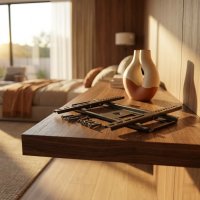
Transforming your living space with a wall-mounted television isn’t just about aesthetics; it’s about optimizing your viewing experience, reclaiming valuable floor space, and ensuring the safety of your investment. At Dikfu.com, with over 15 years in the trenches of TV mount installation, we’ve seen it all, and when it comes to reliability and innovation, Sanus TV mounts consistently stand out. Whether you’re dreaming of a sleek, flush-mounted display or a dynamic screen that moves with your every whim, understanding the intricacies of Sanus mounts is your first step to achieving home entertainment perfection. This comprehensive guide will walk you through everything you need to know, from selecting the ideal mount to mastering the installation, ensuring your TV setup is not just functional, but truly phenomenal.
Why Sanus TV Mounts Stand Apart: Experience, Expertise, Trust
When you’re entrusting a heavy, expensive television to a piece of hardware, you want unwavering confidence. Sanus has built its reputation on delivering just that, setting a high bar in the industry.
Unrivaled Safety and Stability
At the core of every Sanus TV mount is an unwavering commitment to safety. These mounts undergo rigorous testing, far exceeding industry standards, often carrying UL certifications. This isn’t just a label; it’s a promise that your Sanus mount is engineered to securely support your television, with many models confidently holding screens weighing over 100 pounds, and some designed for colossal TVs up to 300 pounds. This robust construction mitigates the risk of accidental damage or dangerous tip-overs, providing unparalleled peace of mind for you and your family. As John Dikfu, our lead installation expert, often says, “A great TV mount isn’t just about holding the TV; it’s about holding your trust.”
Innovative Design for Seamless Viewing
Beyond sheer strength, Sanus integrates advanced technology to enhance your viewing experience. Features like FluidMotion Design ensure that adjusting your TV is an effortless, smooth glide, regardless of its size or weight. No more wrestling with a stiff, creaky mount! The Steady Set functionality is a game-changer, keeping your TV precisely in the position you set it, without any annoying drifting or settling over time. And for those perfectionists among us, ProSet Technology allows for fine-tune height and level adjustments after installation, meaning you can achieve that perfectly straight horizon without ever having to take the TV off the wall again. This thoughtful engineering culminates in sleek, low-profile designs that allow your TV to sit closer to the wall, making it look less like a piece of electronics and more like a work of art.
Choosing Your Perfect Sanus TV Mount: A Type-by-Type Breakdown
Sanus offers a diverse range of mounts, each designed to meet specific needs and room layouts. Understanding the differences is crucial to making the best choice for your home.
Fixed-Position Mounts: The Minimalist’s Choice
|
Our Picks for the Best TV Mount in 2026
As an Amazon Associate I earn from qualifying purchases.
|
||
| Num | Product | Action |
|---|---|---|
| 1 | Amazon Basics Full Motion Articulating TV Wall Mount, with Swivel and Tilt, for 26\" to 55\" TVs and Flat Panels up to 80 Lbs, VESA Compatible, Black |

|
| 2 | Pipishell Full Motion TV Wall Mount for Echo Show 21/15 and 13-43 Inch Flat Curved Screen TVs & Monitors, Max VESA 200x200mm up to 44lbs, TV Mount Wall Bracket with Rotation Swivel Tilt Extension |
|
| 3 | Mounting Dream TV Wall Mount for 32-65 Inch Television,Mount with Swivel and Tilt, Full Motion Bracket with Articulating Dual Arms, Fits 16inch Studs, Max VESA 400X400 mm, 99lbs, MD2380 |
|
| 4 | monTEK Motorized Ceiling TV Mount for 43-86 Inch TVs, Heavy-Duty 121lbs (4X Load Tested), Off-Center VESA Compatible, Electric Flip Down with Remote/App/Voice Control, Fits Flat & Pitched Roof |
|
| 5 | USX MOUNT Full Motion TV Wall Mount for Most 32-70 inch TVs up to 99 lbs, Wall Mount Bracket with Dual Articulating Arms, Swivel, Tilt, Max VESA 400x400mm, TV Mount Fits 12”/16” Wood Studs |
|
| 6 | Magnetic Monitor Wall Mount for Steel Surfaces, Fits 13 to 34 Inch Screens, Holds up to 22 lbs, VESA 75/100 Compatible Wall Mount for Computer and TV Monitor, No-Drill Installation with All Screws |
|
| 7 | Mounting Dream TV Wall Mount for Most 37-75 Inch TVs, Universal Tilt TV Mount Fit 16\", 18\", 24\" Stud with Loading Capacity 132lbs, Max Vesa 600 x 400mm, Low Profile Flat Wall Mount TV Bracket |
|
| 8 | MOUNTUP Full Motion TV Wall Mount for Most 26-60 Inch TVs, Max VESA 400x400mm Wall Mount TV Bracket with Swivel Tilting Extension Level Adjustment for LED LCD Flat Curved TVs Up to 77 LBS, MU0018 |
|
| 9 | USX Mount Full Motion TV Wall Mount for Most 42-90 inch Flat Screen/LED/4K, TV Mount Bracket Dual Swivel Articulating Tilt 6 Arms, Max 16\" Wood Studs, VESA 600x400mm, Holds up to 132lbs |
|
| 10 | Perlegear Full Motion TV Wall Mount for Most 42–86 inch Flat Curved TVs up to 132 lbs, 12″/16″ Wood Studs, Bracket with Articulating Arms, Swivel, Tool-Free Tilt, Max VESA 600x400mm PGLF12 |
|
What are fixed-position mounts? These mounts are designed to hold your TV as close to the wall as possible, offering a super-slim profile that mimics a picture frame. They are the epitome of minimalism.
Fixed mounts are your go-to if your primary viewing area is directly in front of the TV and you don’t require any angle adjustments. They excel in providing a clean, uncluttered look, practically disappearing behind your screen. While they offer no tilt or swivel, their simplicity translates to incredible stability and an installation that is often the most straightforward. Consider the Sanus HLL1 or LL11, which exemplify this sleek design.
Tilting Mounts: Eliminating Glare, Enhancing Comfort
Why choose a tilting mount? Sanus tilting mounts allow you to adjust your TV’s vertical angle, typically up or down, making them ideal for reducing glare from windows or lights and achieving a more comfortable viewing angle from various heights.
If you often watch TV from different levels—perhaps lounging on the sofa, standing in the kitchen, or even exercising on the floor—a tilting mount provides the flexibility you need. They are especially popular for mounting TVs above fireplaces, where a slight downward tilt can dramatically improve visibility and reduce neck strain. Advanced Sanus models, such as the BLT3 or VLT7-B2, even offer “4D tilt,” providing some side-to-side swivel in addition to up-down motion, and can extend slightly from the wall for easier cable access and maximum tilt.
Full-Motion (Articulating) Mounts: Total Viewing Freedom
What makes full-motion mounts so versatile? These mounts are the ultimate in flexibility, allowing you to extend your TV out from the wall, swivel it left or right, and tilt it up or down.
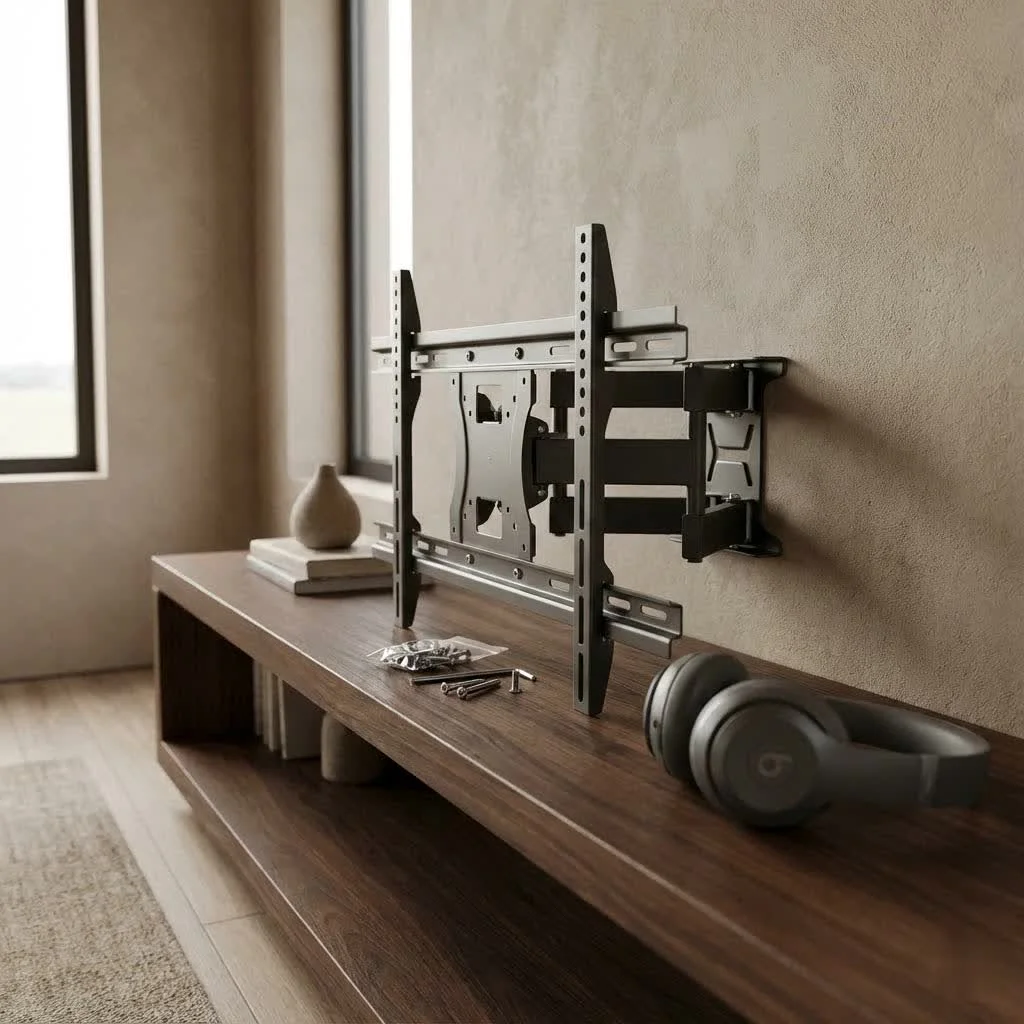
For open-concept living spaces, rooms with multiple viewing areas, or situations where you need to angle your TV away from a wall for specific tasks (like exercising or cooking), a full-motion Sanus mount is unparalleled. Models like the BLF328-B1, BLF528-B1, or VLF728 utilize FluidMotion Design to ensure smooth, effortless movement, often extending significantly (up to 28 inches) from the wall. This generous extension also provides ample space to access cables behind your TV, a huge plus for home theater enthusiasts. Some Sanus full-motion mounts also boast a “Shift” feature, enabling you to slide the TV horizontally along the wall plate after installation, ensuring perfect centering even if your wall studs aren’t ideally placed.
Specialty Sanus Mounts: Beyond the Standard
Sanus also offers specialized solutions for unique mounting challenges. This includes ceiling mounts for situations where wall space is unavailable, and extendable soundbar TV mounts, specifically designed to seamlessly integrate soundbars like the Sonos Arc with your wall-mounted TV, ensuring optimal audio performance that moves with your screen. For those tricky installations, Sanus even provides drywall-specific mounts like the HLL1, which can be installed directly into drywall without requiring studs, offering superior placement flexibility for lighter TVs.
The Dikfu.com Guide to Sanus TV Mount Installation: A Step-by-Step Approach
While the idea of drilling into your wall can be daunting, installing a Sanus TV mount is a highly achievable DIY project for many homeowners. With the right preparation and careful attention to detail, you can achieve a professional-grade installation.
Before You Begin: Preparation is Key
What tools do I need for installation? Before you grab your drill, gather your essential tools: a stud finder (critical!), a level, a power drill with appropriate drill bits (wood and masonry, typically 3/16″ to 3/8″), a socket wrench, a Phillips head screwdriver, a pencil, and a tape measure.
Always start by thoroughly reading the specific instruction manual for your Sanus mount model. Each mount, while sharing common principles, will have unique details. Crucially, verify your TV’s VESA pattern (the four mounting holes on the back of your TV) and weight against the mount’s specifications. Sanus provides a “HeightFinder” tool online to help with compatibility. Remember, for any TV 55 inches or larger, or any heavy TV, always enlist the help of a second person for lifting and securing the screen. Safety is paramount; don’t attempt to lift a large TV alone.
Mounting the Wall Plate: Securing Your Foundation
How do I properly locate studs for a Sanus mount? Using a reliable stud finder is non-negotiable. Mark the edges of your chosen wall studs, then find their precise centerlines. For specific drywall mounts, studs might not be required, but always consult your manual.
Position the provided wall plate template on the wall at your desired height. Use a level to ensure it’s perfectly straight before marking the drill hole locations with your pencil. If mounting into wood studs, use the recommended drill bit size (often 7/32″ to 3/8″) to drill pilot holes to the specified depth. For concrete or concrete block walls, ensure the solid concrete thickness is at least 8 inches, and use a masonry drill bit, making sure to never drill into the mortar between blocks. Secure the wall plate firmly to the wall using the lag bolts and washers provided, tightening them with a socket wrench. A crucial warning: Do not overtighten the bolts. They should be snug, but excessive force can damage your wall or the mount.
Attaching Brackets to Your TV: The Connection Points
How do I ensure the TV brackets are attached correctly? Sanus mounts come with a comprehensive hardware pack, including various screws (M6, M8) and spacers. Determine which screw diameter fits your TV’s mounting holes.
For flat-back TVs, spacers might not be necessary. However, for rounded-back TVs, or if there’s cable interference or inset holes, use the appropriate spacers (typically 2.5mm, 5mm, or 22mm) to create adequate space between the TV and the brackets. This ensures proper airflow and prevents damage. Thread the chosen screws through the appropriate flat washers, then the TV bracket, and finally into the TV. Ensure adequate thread engagement—too short won’t hold, too long can damage your TV. Tighten them firmly with a Phillips screwdriver, making sure the brackets are level and securely fastened to the back of your TV.
Hanging Your TV: The Final Lift
What’s the safest way to hang my TV? With the wall plate and TV brackets securely installed, it’s time for the main event. With your assistant, carefully lift the TV, aligning the brackets on the TV with the hooks or arms on the wall plate. For many Sanus mounts, you’ll hear an audible click, confirming the TV is correctly engaged.
Once the TV is resting securely, engage any safety tabs, screws, or pull straps provided with your mount. These are essential for preventing the TV from accidentally being dislodged.
Post-Installation Adjustments and Refinements
Can I adjust my TV’s level after mounting? Absolutely! Many Sanus mounts, thanks to features like ProSet Technology, allow for post-installation leveling and height adjustments. Use an Allen wrench (often included) to loosen the designated screws on the TV brackets, adjust the TV to perfect level using a spirit level, and then re-tighten. For tilting and full-motion mounts, you can also adjust the tension on the tilt and swivel mechanisms by hand or with the Allen wrench until you achieve your desired movement resistance.
Common Sanus TV Mount Installation Mistakes and How to Avoid Them
Even with the best instructions, common pitfalls can occur. Being aware of them will save you time and frustration.
- Incorrect Stud Finding: A false positive or drilling into a weak spot can compromise safety. Always double-check your stud marks, and if in doubt, consider using toggle bolts or seeking professional help.
- Overtightening Bolts: It’s tempting to really crank down those lag bolts, but excessive force can strip the screw, crack the wood stud, or damage the mount’s threads. Tighten until snug, then give it a small extra turn.
- Ignoring VESA/Weight Limits: Every TV and mount has specific compatibility requirements. An incompatible mount will either not fit or, worse, fail to support your TV safely. Always cross-reference.
- Poor Cable Management Planning: Forgetting to consider where your cables will go before mounting can lead to unsightly dangling wires. Plan for routing before the TV is on the wall.
- Trying to Install a Large TV Alone: This is a recipe for disaster. Large, heavy TVs require two people to lift and position safely onto the wall plate. Don’t risk injury or damage to your expensive equipment.
Elevating Your Setup: Cable Management and Aesthetics
A beautifully mounted TV can be instantly marred by a tangled mess of cables. Sanus offers excellent solutions to maintain that sleek, minimalist look. Many full-motion mounts feature integrated cable management channels along their arms, allowing you to neatly route wires. For an even cleaner finish, consider in-wall power kits that allow you to move your TV’s power outlet behind the screen, eliminating visible power cords. If cutting into your wall isn’t an option, on-wall cable channels can be painted to match your wall, providing a discreet way to hide wires. The goal is to make your TV appear as though it’s floating, seamlessly integrated into your room’s design.
Sanus TV Mounts: Investing in Quality for Your Home Entertainment
Choosing a Sanus TV mount is an investment in quality, safety, and an enhanced viewing experience. Their commitment to robust construction, innovative features like FluidMotion and ProSet, and rigorous safety testing ensures that your television is securely mounted and easily adjustable for years to come. Whether you opt for a sleek fixed mount, a versatile tilting mount, or the ultimate flexibility of a full-motion mount, Sanus provides solutions that not only meet your needs but exceed your expectations. With the insights from Dikfu.com, you’re now equipped to confidently select and install the perfect Sanus TV mount, transforming your living space into the home entertainment hub you’ve always envisioned. Take the leap, enhance your view, and enjoy the difference a premium Sanus mount makes.
Frequently Asked Questions About Sanus TV Mounts
Q1: What is VESA, and why does it matter for Sanus mounts?
VESA (Video Electronics Standards Association) is a set of standards that define the distance between the mounting holes on the back of a TV. It’s crucial because your Sanus mount must match your TV’s VESA pattern (e.g., 200x200mm, 400x400mm) for proper compatibility and safe installation. Sanus mounts support a wide range of VESA patterns and also offer “universal” options for non-VESA TVs.
Q2: Can I install a Sanus TV mount by myself?
For smaller, lighter TVs, an experienced DIYer might manage alone. However, for any TV 55 inches or larger, or any heavy TV, it is strongly recommended to have a second person assist with the lifting and positioning onto the wall plate to ensure safety and prevent damage.
Q3: Are Sanus mounts compatible with all TV brands?
Sanus TV mounts are designed for universal compatibility with virtually every television on the market, including major brands like Samsung, Sony, LG, and TCL. They support both VESA-compliant and many non-VESA hole patterns. Always check your TV’s specific VESA pattern and weight against the mount’s specifications before purchasing.
Q4: How do I hide cables with a Sanus TV mount?
Many Sanus full-motion mounts feature integrated cable management channels along their arms. For a completely hidden look, consider a Sanus in-wall power kit to conceal the power outlet behind the TV. Alternatively, on-wall cable channels, which can be painted to match your wall, offer a discreet external solution.
Q5: What is the “FluidMotion” feature in Sanus mounts?
FluidMotion Design is a signature Sanus technology that ensures incredibly smooth, effortless movement when adjusting your full-motion or tilting TV mount. This advanced engineering allows you to extend, swivel, and tilt your TV with minimal force, providing a premium and responsive user experience without stiff or jerky motions.
Q6: How do I choose the right Sanus mount for my TV size?
To choose the right Sanus mount, consider three key factors: your TV’s size (in inches), its weight (in pounds), and its VESA mounting pattern. Sanus clearly lists the compatible TV size ranges and maximum weight capacities for each mount. Their website also offers a “HeightFinder” tool to help you match your TV model to suitable mounts.
Q7: Are Sanus mounts expensive compared to other brands?
Sanus mounts are generally considered a premium option in the TV mount market. While you might find cheaper alternatives, their higher price point is justified by superior build quality, rigorous safety testing (often UL certified), innovative features (FluidMotion, Steady Set, ProSet), ease of installation, and a strong reputation for durability and reliability. Many users find the investment worthwhile for the peace of mind and enhanced functionality.
Get our weekly buyer guide
Practical specs, not advice. Unsubscribe anytime.